Real estate can be a good way to build
long-term wealth, but buying any property does not automatically make it a good
investment. The right property for one investor may not be the right choice for
another. Your budget, investment goal, location, expected returns and risk
level all matter.
Knowing how to choose the right
property for investment can help you avoid costly mistakes and make decisions
based on facts rather than emotions. Whether you are buying land, a house, an
apartment or a commercial property, there are important things to consider
before committing your money.
Start With Your Investment Goal
Before looking at properties, decide
what you want the investment to achieve. Are you looking for regular rental
income, long-term appreciation, a property you can resell later, or land that
you can hold for several years?
Your goal should influence the type of
property you choose. For example, an investor looking for rental income may
focus on areas with strong demand from tenants. Someone interested in long-term
appreciation may be more interested in land or property in an area experiencing
steady development.
This is one of the first steps in
learning how to choose the right property for investment. Instead of asking
only, “Is this a beautiful property?” ask, “How will this property help me
achieve my financial goal?”
Pay Attention to Location
Location remains one of the most
important factors in real estate. A property can look attractive, but its
investment potential may be limited if it is located in an area with poor
access, weak infrastructure or little demand.
Look at how easy it is to get to the
property and what is available around it. Consider roads, transportation,
schools, hospitals, shopping centres, workplaces, recreational facilities,
electricity, water and security.
You should also study what is
happening in the surrounding area. New roads, commercial developments,
residential estates and other infrastructure can affect demand over time.
However, be careful with promises about future developments. Always try to confirm
whether a proposed project is actually planned and progressing.
When considering how to choose the
right property for investment, do not focus only on popular locations. An
emerging area with improving infrastructure and growing demand may also present
opportunities, but it needs proper research.
Understand the Demand
A property is only valuable as an
investment if people are willing to pay for it. Before buying, think about who
will live in, use or buy the property in the future.
For residential property, this could
include families, young professionals, students or corporate tenants. For
commercial property, demand may come from businesses, retailers, offices or
other commercial users.
Look around the neighbourhood. Are
similar properties occupied? How long do they stay vacant? What are tenants
looking for? What are comparable properties selling or renting for?
Understanding demand helps you avoid
buying a property simply because the price looks attractive. A cheap property
in an area with little demand may not provide the returns you expect.
Look at the Potential for Appreciation
Property values can increase over
time, but appreciation should never be treated as automatic. Research the
factors that could influence future demand and prices.
Population growth, new businesses,
better roads, transportation links and other infrastructure can contribute to
development in an area. You should also consider whether the neighbourhood is
attracting new residents and businesses.
At the same time, avoid making
decisions based only on statements such as “prices will double soon.” Ask what
evidence supports the claim.
When learning how to choose the right
property for investment, separate genuine market information from sales
promises. The goal is not to predict the future perfectly but to understand the
factors that could affect the property’s value.
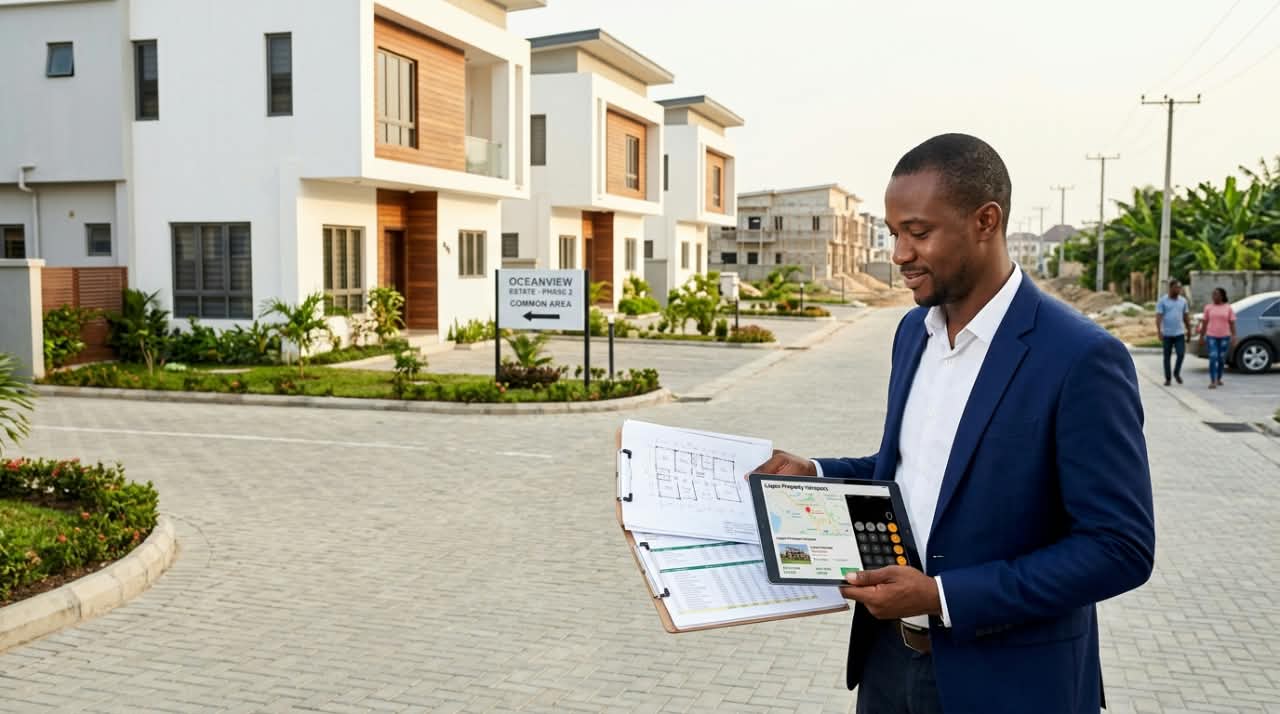
Do the Numbers Before You Buy
A property may look like a great deal
until you calculate the actual cost of owning it. The purchase price is only
one part of the investment.
Consider legal and documentation
costs, agency fees, renovation expenses, service charges, maintenance and other
recurring costs. If the property will be rented out, estimate the expected
rental income and allow for periods when the property may be vacant.
For example, if you invest ₦50 million
in a property and expect ₦3 million in annual rent, the gross rental yield
would be 6%.
The calculation is simple: annual
rental income divided by total investment cost, multiplied by 100.
However, remember that gross rental
yield does not account for expenses. Your actual return may be lower after
maintenance, management, taxes, vacancy periods and other costs.
Understanding these numbers is a major
part of how to choose the right property for investment because it allows you
to compare opportunities more realistically.
Verify the Property Documents
Never assume that a property is safe
to buy simply because an agent, developer or seller says everything is in
order.
Before making a major payment, carry
out proper due diligence. Depending on the property and location, relevant
documents may include a Certificate of Occupancy, Governor’s Consent, Deed of
Assignment, Survey Plan and other registered or allocation documents.
You also need to confirm that the
person selling the property has the legal right to sell it. Proper searches
should be conducted with the relevant authorities to identify possible
ownership issues, disputes, mortgages, restrictions or competing claims.
This is an area where professional
legal advice can be valuable. Spending money on proper verification before
buying can help you avoid much bigger problems later.
Inspect the Property
If you are buying an existing
building, do not rely entirely on pictures or videos. Visit the property and
inspect it properly.
Look at the general condition of the
building, roofing, plumbing, electrical systems, drainage, water supply, access
roads and other important features. If you are not qualified to assess
structural or technical issues, consider getting a professional to inspect the
property.
A property that requires major repairs
may still be a good investment, but those costs must be included in your
calculations before you buy.
Compare Similar Properties
One of the easiest ways to understand
whether a property is reasonably priced is to compare it with similar
properties in the same area.
Look at properties with similar sizes,
features and locations. Compare their asking prices, rental rates, condition
and documentation. Where possible, find out what properties are actually
selling for rather than relying only on advertised prices.
This gives you a better idea of the
market and helps you ask important questions about the property you are
considering.
If one property is significantly more
expensive than similar options, there should be a clear reason for the
difference.
Research the Developer or Seller
If you are buying from a developer,
especially for an off-plan project, research the developer before committing
your money.
Look at their previous projects and
whether they were completed as promised. Check the quality of completed
developments, delivery timelines and the experiences of previous buyers.
You should also understand the payment
structure, contract terms and what happens if there are delays.
Beautiful marketing materials can make
a development look impressive, but your decision should also be based on the
developer’s track record and the terms of the agreement.
Think About Your Exit Strategy
A smart investor should think about
how they will eventually make money from the property.
You may plan to rent it out for
several years, sell it after appreciation, develop the land or hold it as a
long-term investment. Whatever your plan is, consider whether there will be
buyers or tenants when you are ready to exit.
A property can increase in value on
paper but still be difficult to sell if there is limited demand. This is why
liquidity should be part of your decision.
Understanding your exit strategy is
another important part of how to choose the right property for investment
because it forces you to think beyond the moment of purchase.
Watch Out for Red Flags
There are several warning signs that
should make you slow down and investigate further.
Be careful when a seller pressures you
to make an immediate payment, refuses to provide documents or discourages
independent verification. Extremely cheap properties should also be
investigated carefully. There may be a reasonable explanation, but you should
know what it is before committing your money.
Be equally cautious about guaranteed
returns, unclear ownership, unresolved disputes and promises based entirely on
future developments.
A good investment decision should give
you enough time to ask questions, verify information and understand what you
are buying.
Make Due Diligence Part of Your Process
The process of how to choose the right
property for investment should always end with proper due diligence before
payment.
Research the location, understand
demand, calculate the expected returns, verify ownership and documentation,
inspect the property and review the agreement carefully. Where necessary,
involve qualified professionals such as property lawyers, surveyors, valuers or
building professionals.
Real estate investment is not simply
about finding a property at a good price. It is about understanding what you
are buying, why you are buying it and how it can support your financial goals.
The right property should fit your
budget, investment strategy and risk level. Taking time to research before
buying can help you make a more informed decision and reduce the chances of
turning a promising investment into an expensive mistake.
If you are considering your next real
estate investment, start with the numbers, investigate the location and verify
the facts before you commit your money.